-
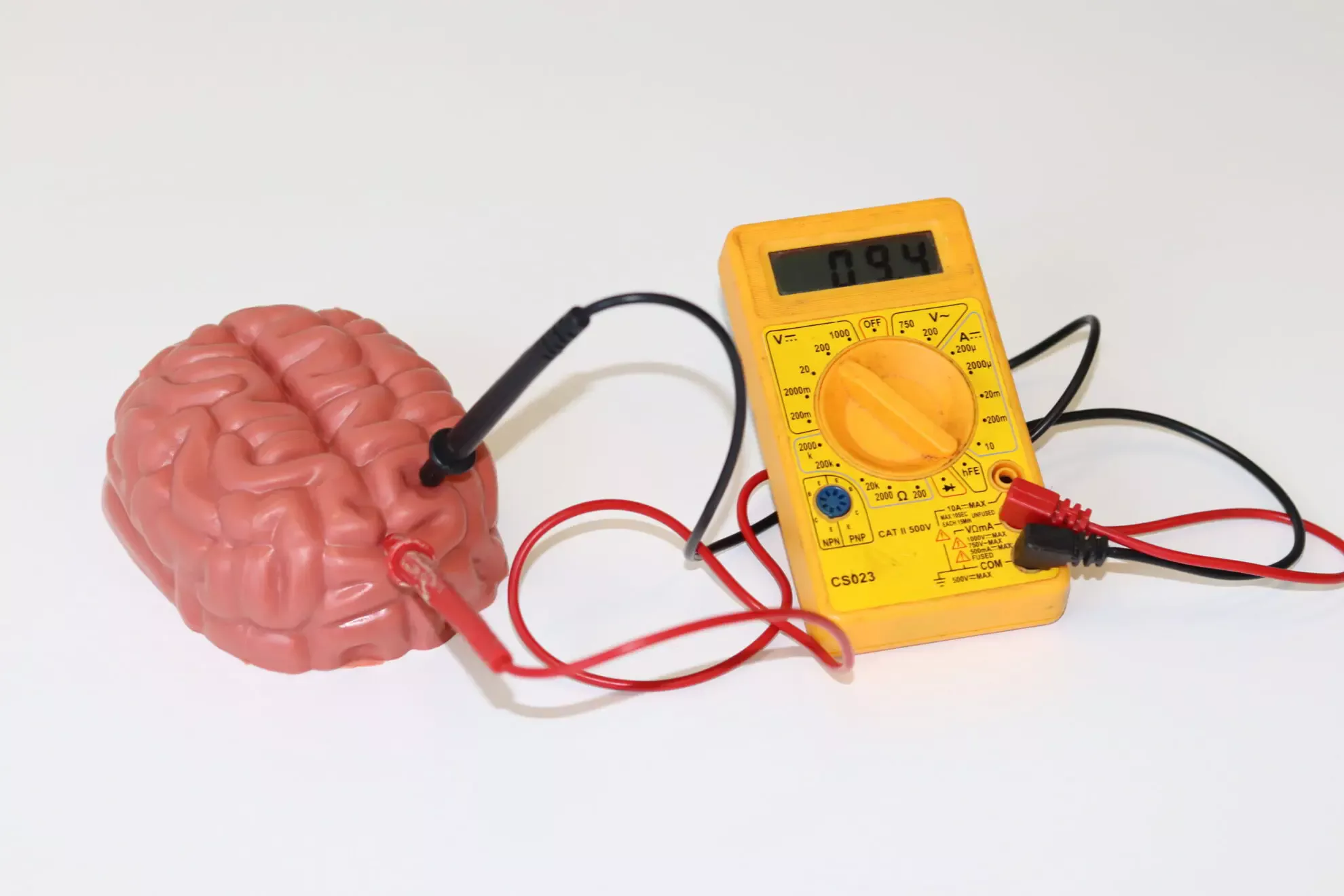
AI compliance programs: one size does not fit all
Australia does not have any standalone legislation addressing how businesses can safely implement Artificial Intelligence (AI). Use of AI by Australian businesses is, however, regulated, not by a patchwork combination of Federal and State legislation, industry-specific legislation and standards, professional body rules and guidance issued by government departments and other regulators. This article discusses the…
-

AI evidence misleading Court: Ba v Sterling Parts Australia
On 17 June 2026, Symons J delivered judgment in the case of Ba v Sterling Parts Australia Pty Ltd [2026] FedCFamC2G 1245 (Ba v Sterling Parts). Ba v Sterling Parts was a proceeding brought by Weiman Ba (Applicant) in the second division of the Federal Circuit and Family Court of Australia (Court). Symons J dismissed…
-
Office of AI announced by Federal Government
On 15 July 2026, Prime Minister Anthony Albanese (Prime Minister) announced by media release an expansion of the Federal Government’s (Government) existing artificial intelligence (AI) governance framework, including the establishment of a new Office of AI as well as plans to legislate national standards governing large-scale data centres, AI training and the use of Australian…
-
Federal Court publishes GenAI Practice Note
On 16 April 2026, the Federal Court of Australia (Court) published the Use of Generative Artificial Intelligence Practice Note (GPN-AI) (Cth) (GenAI Practice Note).
-
AI businesses should have duty of care
In a recent interview with InnovationAus.com, Victorian Senator Michelle Ananda-Rajah (Senator) emphasised the need to adopt digital duty of care laws for artificial intelligence (AI) companies.[1] As a representative of the ALP and former AI start-up founder, the Senator calls for the proposed digital duty of care to apply to AI companies. If implemented, the…
-
Bill to allow victims of AI deepfakes to sue for emotional damages
On 24 November 2025, Senator David Pocock introduced a private Senator’s bill, the Online Safety and Other Legislation Amendment (My Face, My Rights) Bill 2025 (Cth) (Bill) to amend the Online Safety Act 2021 (Cth) (Online Safety Act) and the Privacy Act 1988 (Cth) (Privacy Act).
-
Malcolm Burrows on ABC’s “Legal Eagles” segment – Deepfakes
On 3 December 2025, Malcolm Burrows appeared live on Katherine Feeney’s ABC Radio program, “Legal Eagles” as the Technology and Intellectual Property Lawyer to discuss the proposed amendments to the Online Safety Act 2021 (Cth) through the introduction of the Online Safety and other legislation Amendment (My Face Rights) Bill (Cth) 2025 (My Face Rights…
-
Federal Gov rules out copyright text and data mining exception for AI
On 26 October 2025, the Attorney-General, Hon Michelle Rowland MP, published a media release reiterating that the current Federal Government will not introduce a text and data mining (TDM) exception to copyright infringement in the Copyright Act 1968 (Cth) (Copyright Act). The Attorney-General’s Department will instead engage in further consultations with members of the Copyright…
-
Malcolm Burrows on ABC’s “Legal Eagles” segment – Can artificial intelligence give you justice?
On 22 October 2025, Malcolm Burrows appeared live on Katherine Feeney’s ABC Radio program, “Legal Eagles” as the Technology and Intellectual Property Lawyer to discuss legal issues associated with artificial intelligence and the justice system.


Artificial intelligence law (AI)

Make an enquiry
