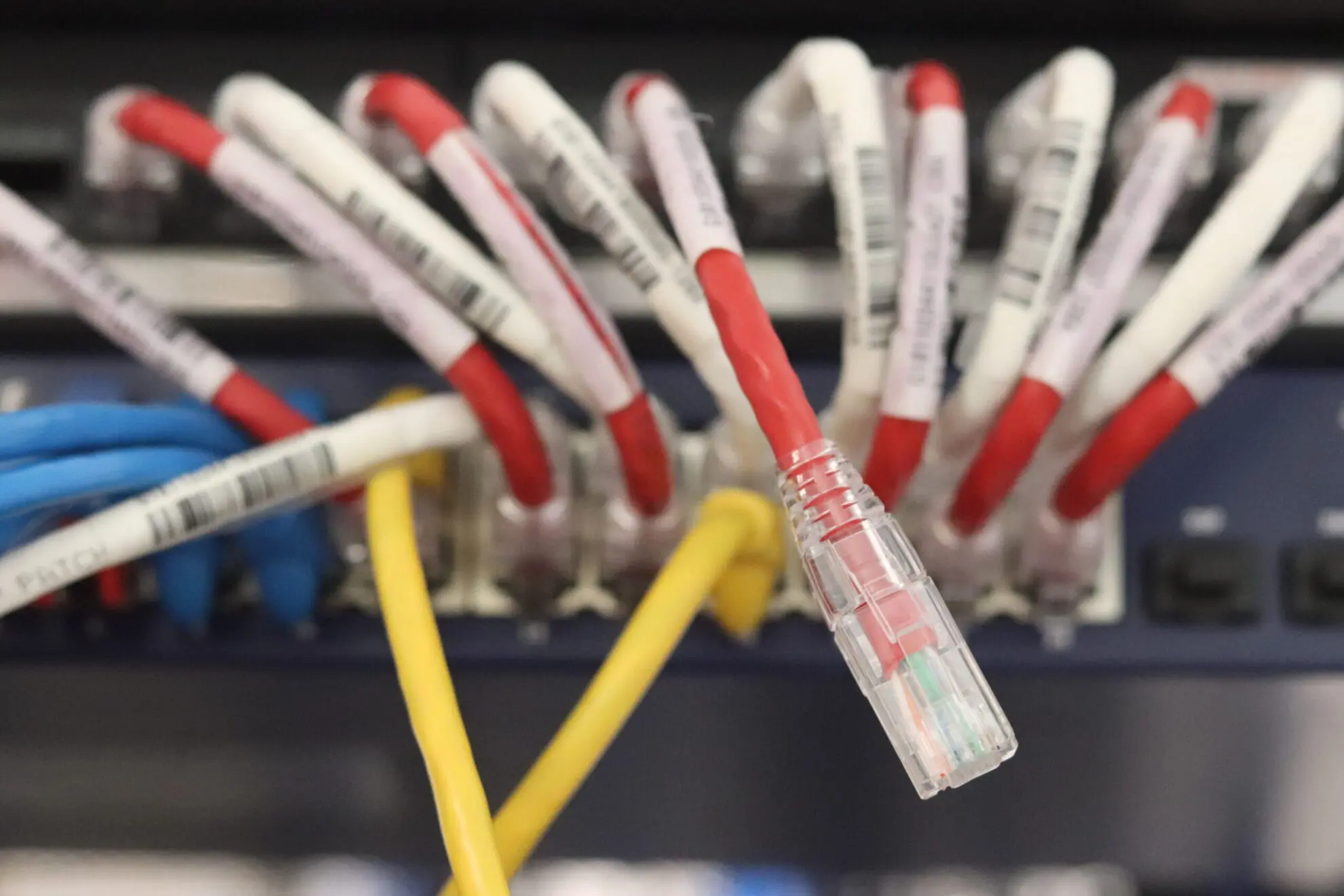
Network access agreements are agreements between licenced carriers in which a carrier (First Carrier) gives another carrier (Second Carrier) access to its network, which the Second Carrier can then access to provide telecommunications services to end customers or other wholesale carriers. Below we set out the key considerations, carriers need to cover in their network access agreements.
Routing
Carriers need freedom to re-route services as required. It is important for the First Carrier to clearly state that the service does not include redundancy, particular wavelengths, particular equipment, assets or links or particular routing, unless specified in a service order, otherwise the First Carrier could be in breach of the agreement if it re-routes services between the points of interconnect or changes the equipment used to provide the service. Likewise, carriers should not take on obligations to provide or utilise any specific configuration of assets, links or waveforms, network architecture, technology or related equipment, in providing the network services, unless agreed in a service order.
Faults and interruptions
Network access agreements should clearly provide that the First Carrier is not responsible for rectifying any fault in a service where the fault arises in or is caused by the Second Carrier’s network, equipment or facilities beyond the points of interconnect.
Acceptance testing
Where the network service is subject to acceptance testing, the criteria needs to be clearly set out in the order. Where the Second Carrier does not give the First Carrier a certificate of acceptance or a notice of failure within a certain period of the service activation date, the agreement should state that the Second Carrier is deemed to have accepted the service.
Suspension
It is important that the First Carrier has the right to suspend its services to the Second Carrier if an upstream supplier terminates or suspends the underlying service. There are two (2) broad approaches to addressing the risk of an upstream supplier cancelling the underlying service:
- giving the First Carrier a broad suspension right; and
- specifying more detailed scenarios where the First Carrier can suspend which more closely reflect upstream supplier’s rights to terminate or suspend.
Pass through charges
It is imperative that the First Carrier has the right to charge the Second Carrier additional amounts to cover events which cause the cost to provide the service increase, such as:
- additional pass through charges directly imposed by an upstream supplier (including price increases, network extension costs, special and one-off charges);
- to service, modify, repair or replace a service or any equipment, as a result of the Second Carrier’s breach of the agreement, failure of the Second Carrier’s equipment, or an act or omission of Second Carrier, Second Carrier’s personnel or an end user;
- for installation or activation, if the information Second Carrier provides to determine the installation required is incomplete or inaccurate; and
- for installation, maintenance and any other services that Second Carrier requests that the First Carrier provide outside normal business hours.
Network obligations – Second Carrier
The agreement should clearly state that the Second Carrier must ensure that its network and equipment is compatible with the First Carrier’s network and equipment, including all technical requirements set out in the Service Order, otherwise the service will not function properly.
A prohibition on the Second Carrier Customer installing or connecting any equipment to the First Carrier’s network without first the First Carrier’s express written consent should be clearly stated, otherwise there is a risk that the equipment of the Second Carrier could interrupt, degrade or damage the First Carrier’s network and equipment which can cause service interruption to other carriers and end users.
Indemnity
It is important that the First Carrier is not faced with claims made by third parties against it arising from the acts or omissions of the Second Carrier. To protect the First Carrier, the agreement should include an indemnity given by the Second Carrier against such claims. The Second Carrier may request that the First Carrier give a reciprocal indemnity.
If the First Carrier considers this, the scope of such indemnity should be to the extent the liabilities of the Second Carrier has to third parties do not exceed the liability of the First Carrier to Second Carrier under the agreement. For example, up to the designated cap with certain types of loss excluded, such as loss of profits.
Takeaways
Network access agreements require careful consideration to ensure carriers are not liable for any service interruption caused by upstream carriers or by its carrier customers. A well-drafted network access agreement can avoid these scenarios and give the First Carrier freedom to re-route and suspend services as required and on-charge any pass-through costs.
Links and further references
Legislation
Telecommunications Act 1997 (Cth)
Further information about network access agreements
If you need advice on network access agreements, please feel free to contact me for a confidential and obligation free discussion.

Malcolm Burrows B.Bus.,MBA.,LL.B.,LL.M.,MQLS.
Legal Practice Director
T: +61 7 3221 0013 (preferred)
M: +61 419 726 535
E: mburrows@dundaslawyers.com.au

Disclaimer
This article contains general commentary only. You should not rely on the commentary as legal advice. Specific legal advice should be obtained to ascertain how the law applies to your particular circumstances.
Related insights about technology law
-

OAIC Notifiable Data Breaches report – July 2020
The OAIC’s Notifiable Data Breaches Report reveals 518 data breaches reported by eligible entities in the first half of 2020. Learn more about the types of personal information involved, the highest reporting sector, and the key takeaways from the report to protect your data.
-
Telco reseller agreements – legal issues
Commonwealth supported place (CSP)s must consider legal implications, including liability, data security protocols, and applicable laws when entering into a reseller agreement with a network service provider. Learn more about the obligations and requirements.
-
Website blocking orders – what has to be proven?
This article provides an overview of the requirements for companies wishing to offer equity-based crowd-sourced funding in Australia. It covers the types of companies eligible, the type of securities allowed, and the issuer cap.
-
Dark fibre contracts for telecommunications providers
This article explains the complexities and benefits of dark fibre access, outlining key elements to consider for telecoms service agreements between providers and business end users. It covers supplier’s service levels, liability and security provisions.
-
What does a network access agreement cover?
Network access agreements are complex legal documents. This article outlines key areas to consider, such as routing, fault and interruption, acceptance testing, suspension, pass through costs, and indemnity.
-
Advertising guide for carriage service providers released
Carriage Service Providers must follow the Telecommunications Consumer Protections Code 2019 when advertising their offers to consumers. Learn the key elements to include, the advertising medium, and the use of disclaimers to avoid financial and reputational risks. Read this article to find out more.
-
Standard form telecom services agreements
Carriage service providers must comply with a range of legal requirements to protect their customers and their business. Learn what these are and how to ensure your company meets them in this informative article.
-
Revisiting software as a service agreement
Discover the legal considerations of commercialising a SaaS (Software-as-a-Service) Agreement as a business model. Uncover the key issues to consider when going to market with a SaaS offering, such as subscription terms, service levels, data handling, intellectual property (IP) in customizations, and more.
-
Managed service agreements for IT businesses
A Managed Services Agreement (MSA) outlines the roles and responsibilities of IT services provider and client, detailing services, payment, security, and more. It helps mitigate risks and ensure both parties are clear on expectations.